How to get a free beat for a hard trap track and use it legally
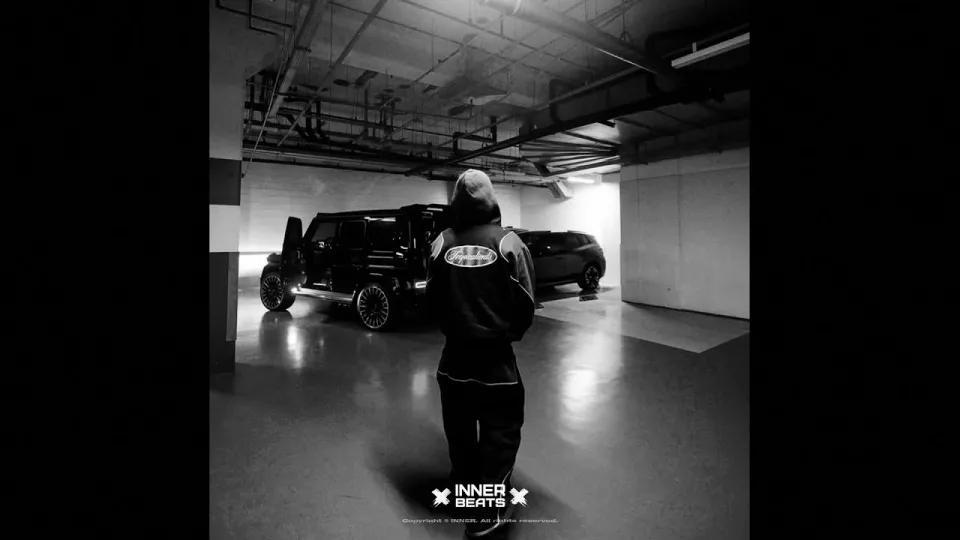
Video: "LOCKED IN" | Trap Type Beat | Freestyle Beat | Type Beat | Hard Type Beat | Rap Type Beat 2026
You can order the same kind of articles for your own video to boost it on YouTube and Google. Just message the Telegram bot @sat_sit_bot. The bot writes and publishes the articles itself (with your YouTube video embedded) on popular topical websites (no ads). Your first 50 articles are free.
· based on the channel INNER BEATS
A free beat is a downloadable instrumental you can use at no cost under a stated license, and the fastest way to get one for a hard trap track is to grab "LOCKED IN" by INNER BEATS — 171 BPM, key of G♯m — from the free download and license page, then read the license terms before you write or release anything. The beat is built for freestyle and rap vocals, and the license page spells out exactly what you may and may not do with it.
What a free beat actually is and what the license covers
A free beat is not the same as a copyright-free beat; it is an instrumental the producer distributes at zero cost with conditions attached. On the "LOCKED IN" page the producer states plainly that you can download and use the beat for free, but that any commercial release — uploading your finished song to streaming services, for example — requires a license suited to your use case. That single sentence separates hobby recording from release-ready work.
The same terms add a second restriction that catches many artists: whether or not you bought a license, you cannot register a song built on this beat with BMI, ASCAP, WIPO, OMPI or any other copyright organization, and you cannot enroll it in Content ID or a similar system, unless you hold an exclusive license. In practice that means a free or standard lease gets your song onto Spotify and YouTube, but the underlying composition stays unregistered on your side.
How to download the beat and start writing in four steps
Getting from the video to a finished verse takes about as long as the beat itself, which runs just over a minute and a half.
- Open the download and license link from the video description and pick the license tier that matches your plans — free, lease or exclusive.
- Download the untagged file and confirm the tempo reads 171 BPM in your DAW; at that speed the grid sits in double-time trap territory, so set your project to 171 rather than 85.5 if you want the hi-hats to land on the grid.
- Import the instrumental into a session in G♯m and record a reference take over the hook section first, since the hook is the part listeners hear before anything else.
- Keep the license receipt and the producer's terms in the project folder — you will need them if a distributor or a rights organization ever asks.
How the "LOCKED IN" arrangement is built and where to place verses
The arrangement of "LOCKED IN" follows a compact five-part map that suits freestyle writing: hook, verse, hook, verse, outro. That structure gives you two full verse slots and a short outro for an ad-lib run or a final bar, which is why the comments under the video fill up with sixteen-bar drafts in several languages — Polish, Spanish, French, Italian and Hindi verses all appear under the same instrumental.
At 171 BPM in G♯m the beat moves fast enough that a standard 16-bar verse passes in well under half a minute, so pacing matters more than bar count. Writers in the comments gravitate toward the title's theme — feeling locked in, pressure on the shoulders, breaking out of a box — which fits the hard, dark trap palette the producer tags the upload with. If you want a melodic contrast, the G♯m key keeps the minor tonality intact while letting a clean vocal sit above the low end.
What a free license allows and where the limits sit
The practical line for any free beat is simple: free means free to record and share, not free to own. Under the terms published with "LOCKED IN", you can make a song and, with a suitable license purchased, distribute it commercially; what you cannot do without an exclusive license is register that song with a performing rights organization or a content identification system.
That distinction matters for three common situations:
- Uploading to streaming: allowed once you hold a license that covers commercial release; the free tier alone is meant for demos and non-monetized use.
- Monetizing on video platforms: the producer explicitly frames profit-making as the trigger for buying a license, so treat ad revenue the same as streaming revenue.
- Registering the song: blocked at every license level except exclusive, across BMI, ASCAP, WIPO, OMPI and Content ID alike.
If your goal is a copyright-registered single with content ID protection, budget for an exclusive license from the start rather than discovering the limit after release.
Common questions producers and artists ask about free beats
The questions that come up most often under hard trap uploads are about ownership, credit and whether a free download can turn into a real release. A frequent one is whether the beat can be used without paying anything at all: yes, for writing, practicing and non-commercial sharing, but a release on streaming services requires the appropriate license. Another recurring worry is whether the producer will claim the song later — the published terms are what protect both sides, so save them.
Artists also ask about crediting. The upload credits the beat to the producer "inner" and links an Instagram account (@prod_by_inner) and a Telegram channel, and standard practice on type beats is to credit the producer in the title or description as "prod. inner". Finally, many wonder whether a beat this fast is hard to rap on: at 171 BPM the pocket is double-time, so write in shorter phrases and let the hi-hats carry the momentum rather than trying to fill every beat.
Useful links
- Free download and license for "LOCKED IN" — the main page for grabbing the beat and reading the terms.
- Instagram @prod_by_inner — the producer's account for new beats and updates.
- Telegram channel — direct contact and beat drops from the producer.
Bottom line on using a free beat
A free beat is a starting point, not a finished release: download "LOCKED IN" at 171 BPM in G♯m, write to its hook-verse-hook-verse-outro map, and buy the license level that matches where the song will live. Keep the terms on file, credit the producer as prod. inner, and remember that copyright registration and Content ID stay off the table without an exclusive license. This breakdown was put together by the INNER BEATS channel, which produced the beat and published the license terms quoted here. Start at the download page, and treat the license as part of the song's production budget rather than an afterthought.
Key takeaways
- "LOCKED IN" by INNER BEATS is a hard trap type beat at 171 BPM in the key of G#m.
- The free download and license link is https://bsta.rs/ES9Of7.
- The beat structure runs hook, verse, hook, verse, outro in roughly 1:34 of runtime.
- A free license lets you release a song on streaming, but not register it with BMI, ASCAP, WIPO, OMPI or Content ID.
- An exclusive license is the only route to copyright registration and Content ID claims.
Source: "LOCKED IN" | Trap Type Beat | Freestyle Beat | Type Beat | Hard Type Beat | Rap Type Beat 2026 · Markdown version
Questions & answers
Can I release a song on a free beat without paying anything?
You can record and share a song for free, but commercial release on streaming services requires a license that covers it, as the producer's terms state. The free download is best treated as a demo or practice license until you upgrade.
Why can't I register my song with BMI, ASCAP or Content ID?
The published terms block registration with BMI, ASCAP, WIPO, OMPI and any content identification system at every license level except exclusive. If registration and Content ID protection matter to you, you need an exclusive license before release.
What tempo and key is "LOCKED IN" in, and does that affect writing?
The beat runs at 171 BPM in G♯m, which puts it in double-time trap territory. Write shorter phrases and let the fast hi-hat pattern carry the rhythm instead of trying to fill every beat with syllables.
How should I credit the producer when I use this beat?
Standard practice for type beats is to credit the producer in the title or description as "prod. inner". The upload links the producer's Instagram (@prod_by_inner) and Telegram channel, which are the right places to confirm credit details.